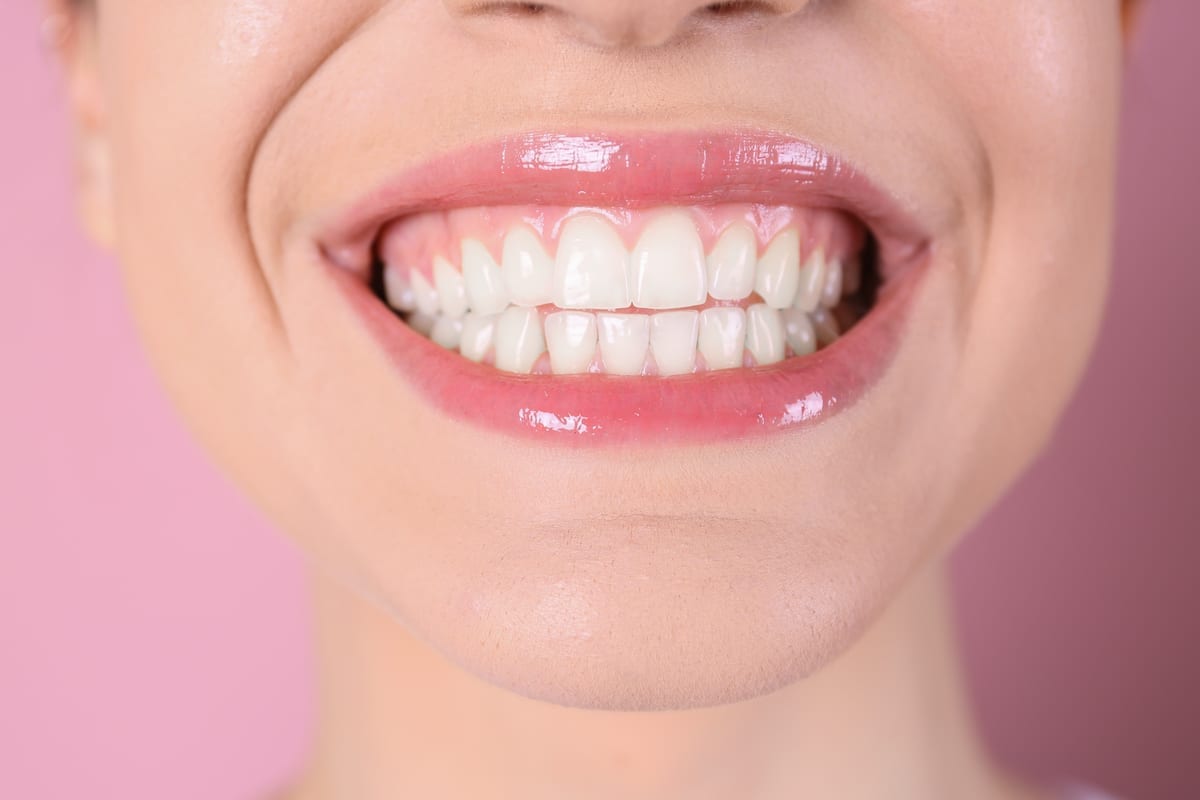

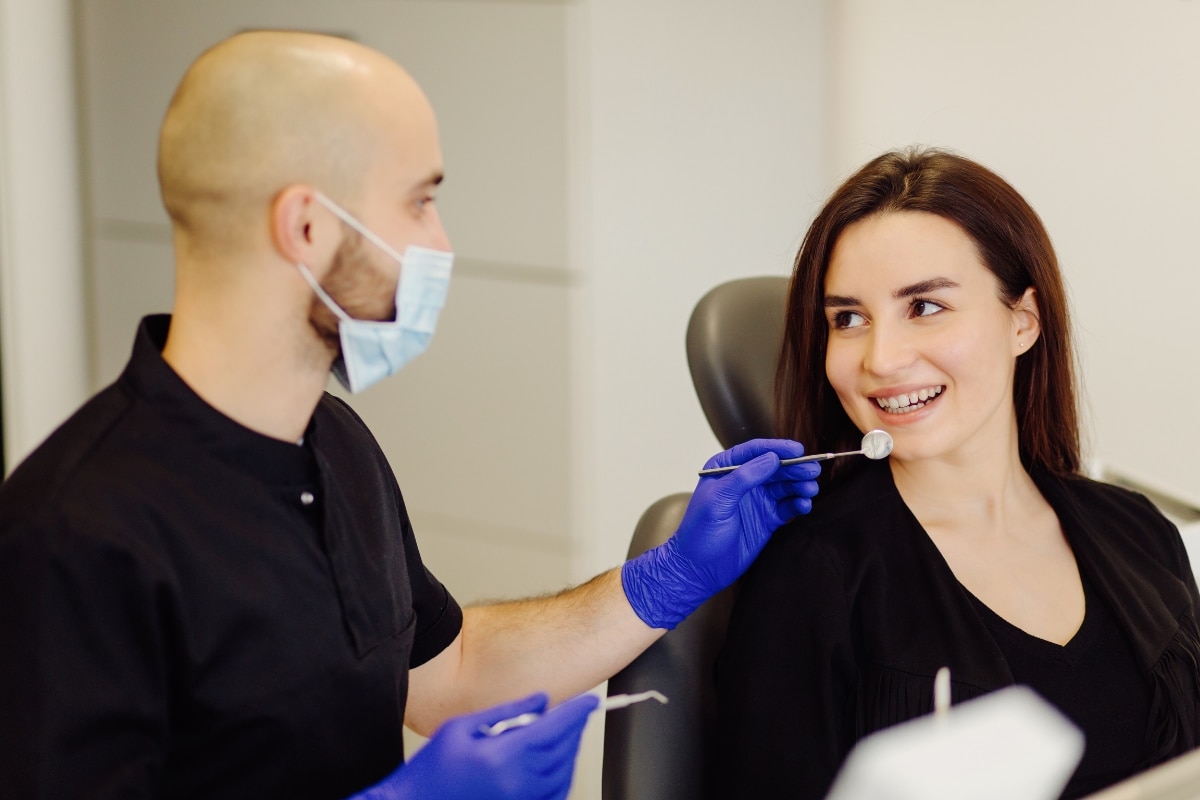
The state of your smile largely depends on how well you care for it day to day. Although check-ups at your Salt Lake City, UT, dentist are essential, much of the work to ensure a healthy, brilliant smile is done at home. Whether it is brushing, flossing, or maintaining healthy dietary habits, the routine you adopt can help prevent conditions such as tooth decay and gingivitis. In this blog, we shall outline some of the best at-home oral hygiene habits that will enable you to care for your teeth and gums adequately.
The habits that you make now will help set you up for a lifetime of oral health. Keep reading to find out how simple steps can make a world of difference in your daily routine.
Daily Brushing: The Foundation of Oral Hygiene
Brushing your teeth should always be the first line of defense against plaque buildup and, eventually, the formation of cavities and gum disease. But of course, it’s not just a matter of doing it, but doing it right, and the following:
- Brush for two minutes: This will provide your teeth with adequate cleaning. However, most people brush their teeth for less than two minutes, so they don’t clean them properly.
- Use a soft-bristled toothbrush: Use bristles that are gentle on your gums and enamel. Brushing too hard can cause receding gums and enamel erosion.
- Don’t forget the tongue: The tongue can harbor bacteria that cause bad breath. Gently brush your tongue or use a scraper to freshen your breath.
By following these steps, you can ensure you’re doing the most important part of home dental care. You can also schedule a consultation with your dentist in Salt Lake City, UT, to get personalized tips on improving your brushing technique.
Flossing: The Unsung Hero of Oral Hygiene
Flossing is often forgotten, but it must not be. It is a crucial part of any healthy oral hygiene routine. Flossing helps clean between your teeth where a toothbrush cannot reach.
- Floss at least once a day: The best time is in the evening to remove food lodged between the teeth during the day.
- Use proper technique: Place the floss gently between your teeth, curving it into a C-shape. Refrain from snapping it down into your gums.
- Don’t skip your back teeth: Teeth, located at the back, are often susceptible to plaque accumulation; hence, they should also be flossed.
Flossing helps prevent gingivitis, which is the first stage of gum disease, and keeps your gums healthy and free of inflammation.
Rinse with Mouthwash
Mouthwash is a fantastic supplement to your regular oral hygiene routine, not only leaving your mouth smelling fresh but also helping prevent plaque, gingivitis, and cavities.
- Select an alcohol-free mouth rinse: Dry mouth can cause bad breath and increase your risk of cavities. Choose a fluoride rinse.
- Use it after brushing and flossing: Swish it around your mouth for 30 seconds to guarantee maximum protection.
Although mouthwash should not replace toothbrushing and flossing, it is a valuable addition to help keep your mouth clean between brushings.
Diet: What You Eat Affects Your Teeth
Eating healthy food is not only good for your body but also for your teeth. What you eat affects the health of your enamel, gums, and teeth.
- Avoid sugary snacks and drinks: Sugar promotes the growth of bacteria in your mouth, which, in turn, produce acids that cause decay.
- Eat tooth-friendly foods: Calcium-rich foods, like cheese, yogurt, and leafy vegetables, help strengthen your teeth. Crunchy fruits and vegetables, such as apples and carrots, also stimulate salivary secretions, which then clean your teeth.
- Drink plenty of water: It helps flush food particles and bacteria from your mouth. In addition, water keeps your mouth moist, thereby reducing your risk of dry mouth.
Following a healthy diet ensures your teeth receive the nutrients they need to stay healthy and strong.
Regularly Replace Your Toothbrush
Your toothbrush is your most powerful weapon for controlling plaque and bacteria; therefore, you must keep it in good condition.
- Change the toothbrush every 3 to 4 months: After a few months, the bristles can become frayed and lose their cleaning effectiveness.
- Change it sooner if sick: If you have been sick, it’s a good idea to replace your toothbrush sooner to avoid re-infecting your body with harmful bacteria.
One should always keep their toothbrush in good working order so it functions properly.
Avoid Smoking and Excessive Alcohol Consumption
Similarly, both smoking and excessive alcohol use can exert adverse effects on one’s oral health. For instance, while excessive amounts of alcohol can cause dry mouth and cavities, smoking has been implicated as causing gum disease, tooth loss, and oral cancer.
- Quit Smoking: If you are a smoker, then the most beneficial act for your teeth and gums would be to quit smoking.
- Drink in Moderation: Reducing or controlling alcohol intake can help prevent its negative impact on oral health, such as dry mouth and tooth enamel erosion.
Breaking these habits can help prevent serious dental problems.
Regular Dental Checkups
Even though taking care of yourself at home promotes health, visiting your dentist in Salt Lake City, UT, regularly helps ensure you stay on track. You can count on your dentist to recognize signs of dental problems such as cavities, gum disease, and mouth cancer while they are still easily treatable.
- Schedule dental checkups every 6 months: This helps ensure your teeth remain healthy.
- Follow your dentist’s advice: If your dentist makes specific recommendations on how to care for your teeth at home, then it would be best to follow their advice, as they can offer essential tips to help improve your dental hygiene routine at home.
Conclusion: Protect Your Smile
The key to a healthy smile begins and ends at home with good at-home oral hygiene. Brushing, flossing, and using mouthwash, combined with a healthy diet and avoiding bad habits, will help keep your teeth and gums healthy and in ideal condition. As a reminder, don’t forget regular dental check-ups also play a big part in maintaining a healthy smile. If you haven’t visited a dentist in Salt Lake City, UT, in a while, contact Salt Lake Dental today to book an appointment.
Take Care of Your Smile Today
We at Salt Lake Dental are here to help you maintain the best possible oral health. If you’re due for an appointment or having trouble with your at-home care, get in touch with us now.
Common Questions People Ask
How often should I brush my teeth?
It is best to brush teeth twice a day: once in the morning and once before bedtime.
Should I floss before or after I brush my teeth?
Flossing should be done before brushing, as food debris is easier to remove when loosened by flossing.
Can mouthwash replace tooth brushing and flossing?
No, because while the product complements brushing and flossing, it is not a substitute; it does help freshen breath and kill bacteria.
What foods are good for my teeth?
Cheeses, apples, and leafy vegetables are excellent for maintaining good oral health. They can help strengthen tooth enamel and also stimulate saliva production.