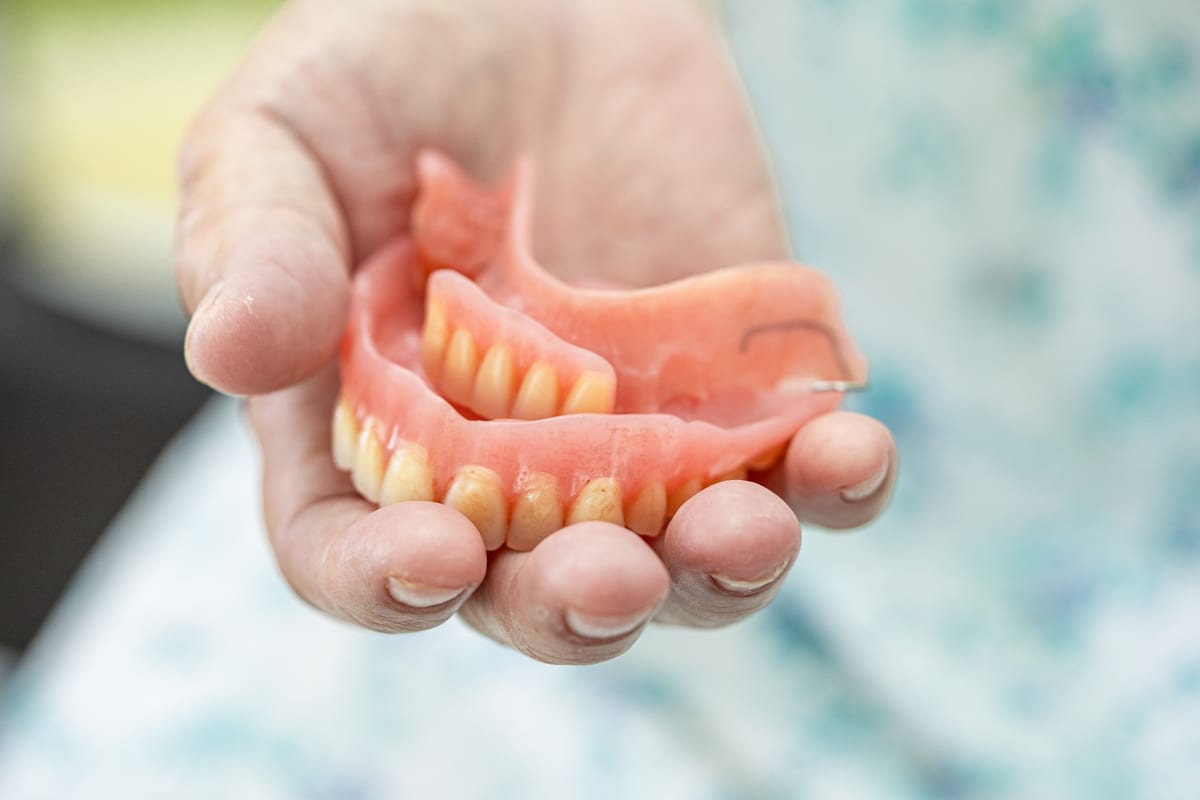


If you live in Willard and have been told you need gum disease treatment, you probably have a lot of questions. That’s completely normal. Many patients feel anxious or confused before starting any new dental treatment. This guide answers the 5 Questions About Gum Disease Treatment Answered Honestly Willard patients ask most often. Dr. Tysen Carter and the team at Salt Lake Dental want you to feel informed and confident before your first visit.
Question 1: What Exactly Is Gum Disease and How Serious Is It?
Gum disease, also called periodontal disease, is an infection of the tissues that hold your teeth in place. It starts with plaque buildup along the gumline. If left untreated, it can lead to bone loss, tooth loss, and even systemic health issues.
There are two main stages to understand:
- Gingivitis: The early stage. Gums are red, swollen, and may bleed when brushing. This stage is reversible with proper care.
- Periodontitis: The advanced stage. Gums pull away from teeth, forming infected pockets. Bone and tissue can be permanently damaged.
The good news is that catching gum disease early makes treatment far more straightforward. Regular teeth cleanings are one of the most effective ways to prevent progression. Acting quickly protects both your smile and your overall health.
Question 2: Will Gum Disease Treatment Hurt? Here’s an Honest Answer for Willard Patients
This is one of the most common concerns patients raise. The honest answer is that some procedures may involve mild discomfort — but modern dentistry has come a long way. Dr. Tysen Carter prioritizes your comfort at every step.
For early-stage gingivitis, a professional cleaning is usually all that’s needed. It feels similar to a standard cleaning, just a bit more thorough. For deeper treatment like scaling and root planing, local anesthesia numbs the area completely.
Salt Lake Dental also offers Sedation Dentistry for patients who feel anxious about dental procedures. Sedation keeps you relaxed and comfortable throughout the entire visit. You don’t have to white-knuckle your way through treatment.
After treatment, some mild soreness or sensitivity is normal for a few days. Over-the-counter pain relievers typically manage this well. Most patients are surprised by how manageable recovery really is.
Question 3: How Many Appointments Will I Need?
The number of visits depends on the severity of your gum disease. Mild gingivitis may only require one or two professional cleanings. More advanced periodontitis usually involves a deeper cleaning procedure spread across multiple visits.
Here is a general breakdown of what to expect:
- Initial Exam: Dr. Carter evaluates your gum health, takes X-rays, and measures pocket depths around each tooth.
- Scaling and Root Planing: A deep cleaning that removes tartar and bacteria from below the gumline. Often done in quadrants across two to four visits.
- Follow-Up Visit: Your gums are re-evaluated four to six weeks after treatment to assess healing.
- Maintenance Cleanings: Ongoing periodontal maintenance visits every three to four months help keep gum disease from returning.
Every patient is different. Dr. Carter will create a personalized treatment plan based on your specific needs. You’ll know exactly what to expect before anything begins.
Question 4: Can Gum Disease Come Back After Treatment?
Yes — and this is something we always tell patients honestly. Gum disease can return if proper oral hygiene isn’t maintained. That’s not meant to alarm you. It simply means your long-term habits matter just as much as the treatment itself.
Here are the key steps that help prevent recurrence:
- Brush your teeth twice daily using a soft-bristled toothbrush
- Floss at least once every day to remove plaque between teeth
- Use an antibacterial mouthwash if recommended by Dr. Carter
- Attend all scheduled maintenance cleanings without skipping
- Quit smoking, as tobacco significantly increases relapse risk
Salt Lake Dental provides ongoing education at every visit. We help you build habits that protect your gums for the long term. Think of it as a partnership between our team and you.
Question 5: What Happens If I Don’t Treat Gum Disease?
Avoiding treatment is a choice some patients make — usually out of fear or uncertainty. We understand that. But it’s important to be fully honest about the consequences of leaving gum disease untreated.
Without treatment, the infection continues to damage gum tissue and bone. Teeth can become loose and eventually fall out. The bacteria involved in periodontal disease have also been linked to heart disease, diabetes complications, and respiratory issues.
Tooth loss creates its own challenges. Patients often need Dental Implants or Dental Bridges to restore missing teeth. These are excellent solutions, but they’re far more involved than early gum disease treatment. Preventing the problem is always preferable to fixing its consequences.
If you have children who visit our practice, keeping up with their gum health matters too. Our Pediatric Dentistry Willard services help children develop healthy habits from a young age. Catching issues early makes a lasting difference.
When Should You Seek Emergency Care?
Sometimes gum disease progresses quickly or causes sudden, severe symptoms. Severe pain, a dental abscess, or significant swelling should never be ignored. These situations may require prompt attention beyond a routine appointment.
If you’re experiencing sudden dental pain or signs of infection, our Emergency Dentistry Willard services are available to help. Don’t wait for a routine visit when something feels urgent. Your health and comfort are always our priority.
What to Expect When You Visit Salt Lake Dental From Willard
Dr. Tysen Carter takes a compassionate, no-pressure approach with every patient. You’ll never feel judged for the current state of your gum health. Our goal is always to meet you where you are and create a path forward.
Your first visit will include a thorough exam and an honest conversation about your options. We explain every step clearly before we begin. Patients from Willard appreciate knowing exactly what’s ahead before committing to a treatment plan.
Salt Lake Dental offers a full range of services beyond gum disease treatment. From Cosmetic Dentistry and Teeth Whitening to Root Canal Treatment and Sleep Apnea Treatment, we care for your complete oral health. You can count on consistent, friendly care every time you visit.
If you’ve been putting off addressing your gum health, now is the right time to take that step. Book Now to schedule your appointment with our team.
Frequently Asked Questions
How do I know if I have gum disease?
Common signs include red or swollen gums, bleeding when brushing or flossing, persistent bad breath, and gums that appear to be pulling away from your teeth. If you notice any of these symptoms, schedule a visit with Dr. Tysen Carter for a proper evaluation.
Is scaling and root planing the same as a regular cleaning?
No, they are different procedures. A standard cleaning addresses plaque and tartar above the gumline. Scaling and root planing goes below the gumline to remove buildup from the root surfaces. It is a deeper, more targeted treatment designed for patients with periodontal disease.
How long does recovery take after gum disease treatment?
Most patients recover within a few days after deep cleaning. Mild soreness and sensitivity are common but typically subside quickly. Following Dr. Carter’s aftercare instructions, such as gentle brushing and avoiding hard foods temporarily, speeds up recovery.
Can gum disease affect my overall health?
Yes. Research has linked periodontal disease to systemic conditions including heart disease, diabetes, and respiratory problems. Treating gum disease is not just about saving teeth — it can contribute positively to your overall wellbeing.
Do I need a referral to see Dr. Carter for gum disease treatment?
No referral is needed. You can contact Salt Lake Dental directly to schedule an evaluation. Dr. Carter welcomes new patients from Willard and surrounding areas and will assess your gum health during your initial visit.